Helpful Tips to Premier Deck Builders Austin
Upgrade Your Exterior Space: Innovative Deck Design Ideas for Every Type of Home
Revamping an exterior living area with cutting-edge deck design can greatly enhance both its usability and curb appeal. Careful selections in features, arrangement, and construction are fundamental for crafting a comfortable outdoor setting. When property owners aim to take full advantage of their open-air areas, knowing the critical components of well-executed deck design is necessary. What approaches can turn an ordinary deck into a captivating outdoor haven? Examining the different elements exposes a variety of options for any home.
Choosing the Right Decking Materials for Your Space
When selecting deck materials, how does one determine the most suitable option for their outdoor living area? A detailed analysis of a number of key factors is necessary. First and foremost, weather conditions play a significant role; materials need to hold up against regional weather patterns. To illustrate, composite decking provides excellent resilience in humid climates, while pressure-treated wood is better suited for drier climates.
Furthermore, maintenance needs must be taken into account. explore the facts Certain materials require periodic sealing or staining, while others demand only occasional care. The preferred appearance also plays a role in the decision; homeowners may prefer the natural look of wood or the refined finish of composite or PVC materials.
Financial limitations represent another key consideration, as costs can vary considerably between material options. Finally, thinking about the deck's primary purpose—such as entertaining guests or establishing a peaceful escape—will aid in shaping the final selection. By weighing these aspects, individuals can identify decking materials that blend with their exterior environment while satisfying everyday demands.
Building with Functionality Ahead of Aesthetics
Choosing the right decking materials paves the way for the next essential phase in outdoor deck planning: emphasizing practicality over visual appeal. Property owners should initially consider how the deck will be utilized, taking into account elements like hosting gatherings, dining outdoors, or unwinding. Successful design includes components like permanent seating arrangements, practical storage options, and well-placed entry points for effortless navigation.
Weather resistance and maintenance requirements also play a pivotal role in ensuring the deck stays functional across all seasons. To highlight a few key features, composite materials deliver exceptional durability, while non-slip surfaces promote greater safety.
Moreover, incorporating elements like shade structures can increase the comfort level without sacrificing practicality.
At the core of it all, a well-designed deck improves the outdoor experience, permitting homeowners to get more out of their outdoor area. By focusing on practical needs first, visual elements can be thoughtfully integrated later, developing a harmonious and functional outdoor living space. Balancing these elements guarantees the deck fulfills its primary function while remaining attractive in appearance.
How to Build Multi-Level Decks for Visual Appeal
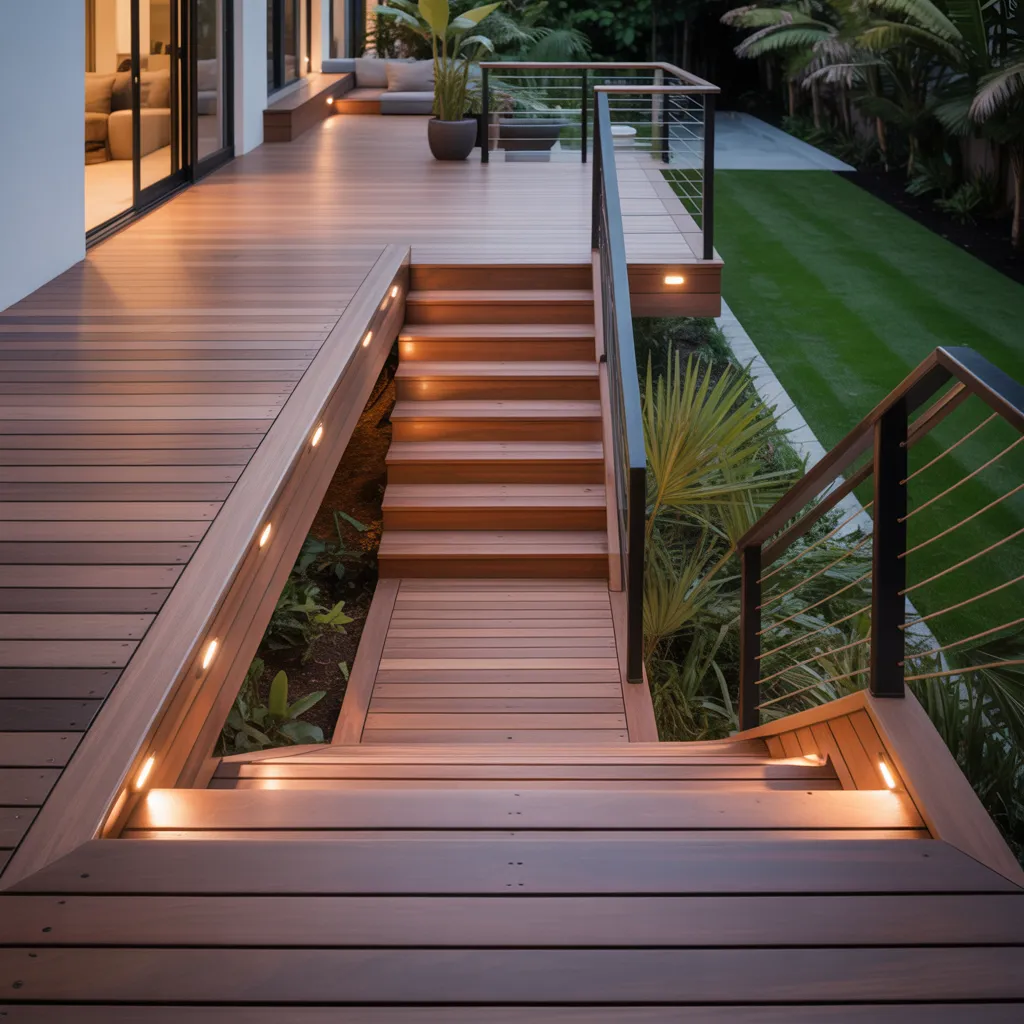
Elevating outdoor living environments with multi-level decks generates captivating aesthetic depth and boosts versatility. Through varying the elevations of the deck, residents can develop individual sections for various purposes, such as unwinding, hosting, or growing. This layered approach not only optimizes space but also promotes a sense of intimacy and division between each section.
To attain this look, meticulous planning is necessary. Property owners should evaluate the natural contours of the landscape and the sightlines from different angles. Installing staircases or ramps can connect different levels seamlessly while guaranteeing security. Utilizing a variety of materials—such as wood, composite, or stone—can additionally boost the aesthetic appeal, facilitating unique design possibilities.
Moreover, adding integrated seating and planters at various levels contributes both practicality and aesthetic beauty. When thoughtfully designed, a expertly designed tiered deck elevates a typical outdoor space into an enchanting, multi-dimensional space that promotes relaxation and pleasure.
Adding Practical Lighting Solutions to Your Deck
Effective lighting solutions can make a deck into a delightful evening haven, elevating both functionality and visual charm. Strategically placed lights can highlight walking areas, ensuring safe navigation while adding visual interest. Solutions including recessed lights in steps or along the underside of railings provide subtle illumination without overwhelming the space.
String lights can produce a warm, inviting atmosphere, stringing them across beams or pergolas for a delightful touch. Stake lights or solar-powered lanterns are eco-friendly alternatives that demand minimal effort to install, delivering a soft glow throughout the nighttime hours.
For a more modern approach, LED strips are ideal for installation under fixtures or along deck edges, delivering a range of color and brightness settings. Additionally, including dimming capabilities gives homeowners control over the atmosphere, making the deck suitable for both lively gatherings and intimate evenings. Through combining practicality with visual appeal, effective lighting solutions elevate the overall experience of outdoor spaces.
Crafting Inviting Outdoor Living Spaces
Crafting a cozy outdoor living space depends on thoughtful selection of comfortable seating options, which encourage comfort and connection. Furthermore, carefully selected lighting options can elevate the setting, making evenings more inviting. Incorporating charming fire accents further adds ambiance and visual interest, converting the deck into a delightful retreat.
Comfortable Seating Options
Since outdoor areas commonly act as extensions of the living space, the ideal seating choices can convert them into welcoming retreats for rest and socializing. In pursuit of this goal, homeowners might evaluate several alternatives that blend coziness with design. Cozy lounge chairs, plush outdoor sofas, and hammocks create intimate areas for lounging. Modular seating provides versatility and can host bigger groups, while integrated benches optimize space and deliver a cohesive appearance. Adding cushions and throw pillows enhances comfort and invites longer stays. For an element of sophistication, wicker or rattan furnishings combine resilience with visual charm. At the core of it all, picking the perfect seating arrangements not only enriches the visual appeal but also nurtures an inviting setting for family and guests.
Atmospheric Lighting Solutions
Transforming outdoor spaces into cozy retreats copyrights greatly on well-chosen atmospheric lighting options. Purposefully crafted lighting can transform the environment, creating spaces that welcome relaxation and entertaining. Selections including string lights, lanterns, and solar-powered lights produce a welcoming radiance that minimizes stark shadows and accentuates structural details. Adding dimmable lighting provides flexibility, modifying illumination levels to match different atmospheres. Moreover, integrated lighting within deck railings or steps ensures safety while enriching the surrounding ambiance. Layering different light sources, from ground-level to overhead, creates depth and interest. Through careful positioning of these features, one can foster a tranquil setting that invites loved ones to relax and appreciate the splendor of nature.
Warm Fireplace Features
Cozy fire features have the ability to transform outdoor living spaces, offering warmth and a central attraction for social events. These installations, ranging from fire pits to elegant outdoor fireplaces, cultivate a charming ambiance suited for mingling or lounging under the open sky. Homeowners can choose from various materials and styles, including stone, brick, or modern metal designs, to harmonize with their present landscaping and design. Additionally, incorporating comfortable seating around the fire enhances the experience, motivating loved ones and guests to stay longer. While planning, it's crucial to take into account safety and local regulations regarding open flames. Ultimately, a well-designed fire feature transforms an outdoor area into a year-round retreat, permitting property owners to appreciate their surroundings no matter the time of year.
Key Deck Maintenance Tips for Long-Lasting Results
Keeping up a deck is crucial for guaranteeing its durability and maintaining its attractive appearance. Consistent cleaning forms a critical foundation; sweeping away debris and washing the surface can stop mold and mildew from developing. It is recommended to use a gentle cleaner made especially for decking materials, guaranteeing that no strong chemicals deteriorate the surface.
Checking the deck for signs of wear, such as loose boards or splintering, is vital. Immediately tackling these problems can minimize the risk of greater harm. In addition, applying a protective sealant every few years serves to guard the deck from moisture and UV rays, maximizing its useful life.
Routine seasonal upkeep, such as checking for rust on metal fixtures and tightening loose screws, must not be ignored. Finally, in the winter season, removing snow and ice will help avoid excess weight and structural damage. By adhering to these important upkeep guidelines, property owners can look forward to a stunning and long-lasting deck for many years ahead.
Making Your Deck Your Own: Unique Features and Accessories
A properly cared-for deck offers an ideal foundation for personalization and creative expression. Homeowners can elevate their outdoor spaces by incorporating unique features and accessories that reflect their style. To illustrate, stylish railings, including glass panels or detailed wrought iron, can boost aesthetic charm while maintaining security.
Furthermore, integrating integrated seating and storage options provides functionality while preserving visual appeal. Outside rugs, cushions, and throw blankets in bold and lively hues can create a cozy atmosphere, turning the deck into an appealing escape.
Lighting options, such as pendant lights, lanterns, or built-in fixtures, can transform the ambiance during nighttime entertaining. Incorporating planters filled with seasonal flowers or herbs adds a touch of nature, while a fire pit or outdoor heater extends usability into cooler months. By deliberately incorporating these components, property owners can design a customized outdoor space that harmonizes functionality and style, making it a true extension of their home.
Questions Our Customers Often Ask
Which Plants Work Best to Enhance My Deck Design?
To accompany a deck design, think about adding ornamental grasses, vibrant flowering perennials, and hardy succulents. These plants add color, texture, and year-round appeal, improving the overall look while establishing a warm and welcoming outdoor space.
How Do I Create Privacy for My Outdoor Deck Area?
To enhance privacy on an outdoor deck, one can make use of outdoor curtains, tall planters, privacy screens, or trellises with climbing plants. These additions create a secluded atmosphere, permitting tranquil and comfortable use of the outdoor area.
What Permits Are Needed for Building a Deck?
Prior to building a deck, you will typically need to obtain the necessary permits from local government agencies. Regulations differ depending on location, typically involving compliance with zoning laws, site plans, and structural requirements to maintain safety standards and legal compliance.
What Is the Best Way to Choose a Deck Color Scheme?
To choose the best deck color scheme, homeowners should consider the home's outside appearance, surrounding landscape, and personal aesthetic. Coordinating these aspects establishes a unified appearance while ensuring the deck enhances its surroundings effectively.
Is It Possible to Build a Deck on Uneven Ground?
Yes, a deck can be installed on sloped land by incorporating adjustable post bases or establishing a raised platform. Proper planning and leveling are essential to secure structural stability and overall safety.